


About Islandeering
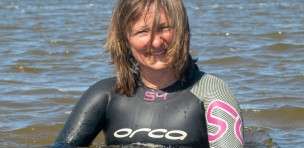
Hi and welcome to Islandeering Islandeering is for people who want adventure in Britain’s wild blue spaces – our rivers, coast, lakes, canals and islands. You will find amazing walks, paddles and swims in the UK’s most special places, those recognised for outstanding natural beauty, incredible geology or special and abundant wildlife.
More About UsWe continuously find new islands, rivers, lochs, canals and coast to walk, SUP and swim in and meet plenty of great folks along the way. Join our community to get new routes and adventures, latest blogs and news by using the email box below. Tune in also to our Facebook and Instagram pages to see where we are going next.
Visiting Great Bernera: beaches, walking and Atlantic island life
Great Bernera lies just off the west coast of the Isle of Lewis, connected by a short road bridge yet retaining a strong island identity. Compact and quietly beautiful, Great Bernera is shaped by Atlantic weather, low rocky hills, a mosaic of inland lochs, and a stunning beach and a strong culture of innovation and uprising.
Despite its easy access, Great Bernera feels distinctly separate from Lewis — quieter, more open, and closely tied to its coastline.
Where is Great Bernera and how do you get there?
Great Bernera sits just offshore from west Lewis and is reached by road from Stornoway, crossing the Bernera Bridge. From Stornoway, follow the A859 towards Tarbert. After around 7 miles, turn right following signs for Bernera and Uig. At Garynahine, turn left onto the B8011 and follow it for around 3 miles. Turn right for Bernera and continue for a further 6 miles to cross the road bridge onto the island.
Once on Great Bernera, distances are relatively short. Walking and cycling are both feasible, though a car makes it easier to move between points of interest if time is limited.
Highlights of Great Bernera
- Bernera Museum – make this your first stop to learn about the island
- Great Bernara Lobster Pond
- Iron Age House at Bosta Beach
- The Bernara Riot Cairn
- The Norse Mill at Breaclete
- The tide and time bell at Bosta beach
Beaches on Great Bernera
Great Bernera is best known for Bosta Beach, a wide, curving bay of pale sand backed by dunes and machair. Facing northwest, it catches Atlantic light and long sunsets, and in settled weather the shallow water can be suitable for swimming. At other times, it becomes a place to watch weather and waves roll in from the open ocean.
Beyond Bosta, smaller coves and sandy inlets dot the coastline. These are often quieter and less obvious, rewarding slow exploration on foot and a willingness to wander beyond the main access points. Conditions vary quickly with wind and tide, and choosing a beach to suit the day is part of visiting Bernera.
Walking and exploring on foot
Walking on Great Bernera is informal and flexible rather than route-led. A free-range coastal circuit of the island links beaches, rocky headlands and crofting land, revealing layers of island life along the way.
Short walks can take in the Iron Age house at Bosta, the Bernera Riot Cairn, the Norse mill at Breaclete, and the tide and time bell at Bosta Beach, which turns the movement of the tide into sound. Even brief outings often feel complete, making the island ideal for unhurried exploration rather than ticking off destinations.
More details on Great Bernera coastal walk →
History and sense of place
Great Bernera has a strong historical identity, with evidence of human presence stretching across thousands of years. The reconstructed Iron Age house at Bosta offers a glimpse into life on the Atlantic edge long before written records, while nearby traces such as the Viking mill and the Victorian lobster pond speak to later waves of settlement, subsistence and trade shaped by the sea. More recently, the Bernera land raids of the early 20th century — commemorated at the Bernera Riot Cairn — mark a pivotal moment in Hebridean land reform, when local people challenged land ownership and reshaped their future.
Exploring Great Bernera, you encounter layers of ancient, medieval and modern history that convey the island’s strong sense of resilience, resourcefulness and community.
Wildlife and landscape
The island’s coastline supports seabirds, seals and rich intertidal life, while offshore waters can reveal dolphins and porpoises in season. Golden eagles are sometimes seen soaring over the hills above Bosta, and the mix of machair, rocky shore and open Atlantic makes even short walks rewarding for wildlife watching, particularly outside peak summer months.
Facilities and planning ahead
There is a small village store and great café at the community cafe in Breacleat.
Many people spend half a day to a full day exploring Great Bernera, often combining it with other west Lewis sites.
When is the best time to visit Great Bernera?
Late spring and summer offer the best light, longer days and easier access to beaches, while autumn brings dramatic skies and fewer visitors. Winter can be striking but exposed, with weather playing a major role in how much time you can comfortably spend outdoors.
Why visit Great Bernera?
Great Bernera offers a superb white-sand beach, low horizons and Atlantic weather within easy reach of Lewis. It’s a place with a strong sense of history, quiet walking, and a great beach time — a reminder that even small islands can hold a powerful sense of edge and identity

Tide bell at Boasta Beach

Walking the Coast of Great Bernera
A quiet, largely free-range coastal walk around Great Bernera, linking white-sand beaches, rocky headlands and [...]
Mar
